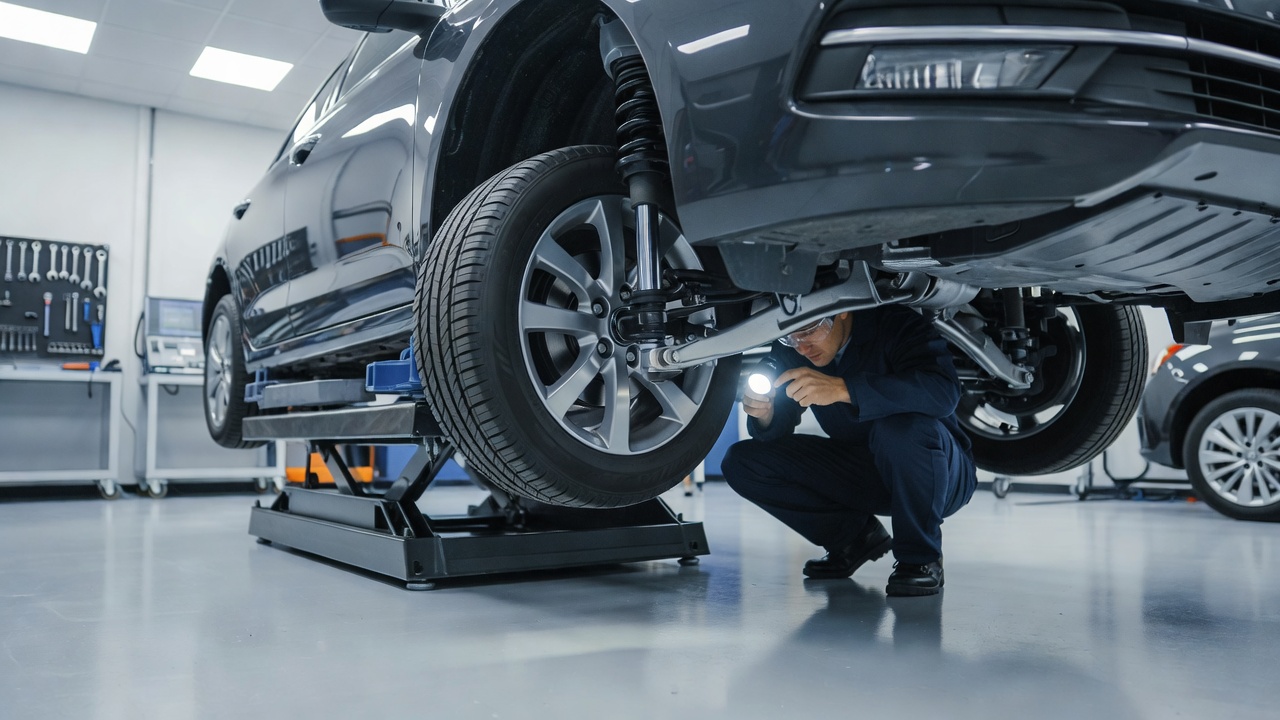
Modification is a system decision. Changes can affect handling, braking, comfort, noise, visibility, reliability and inspection status. This guide offers planning categories, not vehicle-specific installation instructions. Use qualified technicians for work that affects safety or compliance.
Define the vehicle’s job first
Write down how the car is used: daily travel, long-distance trips, occasional displays, controlled track activity or a mix. Set priorities such as comfort, appearance, load capacity, reliability or a particular driving environment. A build that works for one purpose can be inconvenient or unsuitable for another. Decide which compromises are acceptable before buying parts.
Plan in stages. Record the current condition, maintenance backlog and known faults. Address necessary repairs before cosmetic or performance work. A modification does not compensate for worn components or missed servicing. Reserve time and money for installation, inspection, alignment, calibration and follow-up maintenance as relevant.
Suspension, wheels and tires
Suspension changes can affect ride height, travel, clearance, alignment and handling. Consider road surface, passengers, luggage and the need to clear ramps or winter debris. Seek a setup appropriate to the vehicle and intended use. A lower stance is not automatically better, and a visual target should not override safe travel or component compatibility.
Wheels and tires must suit the vehicle’s fitment, load, clearance and intended conditions. Compare approved dimensions and relevant load and speed ratings using vehicle documentation and qualified advice. Check whether changes affect speed indication, steering clearance, braking clearance or inspection status. Tire choice should account for climate, season and actual use rather than appearance alone.
Brakes and safety systems
Brake work needs a whole-system view. Component compatibility, condition, fluid, tires, vehicle weight and intended use all matter. Do not assume that a larger-looking part improves stopping performance in every situation. A qualified technician can assess suitability and system balance. Never compromise braking, stability or other safety systems for appearance.
Exterior, interior and lighting
Exterior changes can include bodywork, trim, paint, aerodynamic additions and protective finishes. Consider secure mounting, pedestrian safety, visibility, clearance and maintenance. Keep modifications within applicable road-use and inspection rules. Sharp edges, obstructed sensors or loose components create practical risks.
Interior projects may change seating, restraints, controls, sound equipment, trim or storage. Retain safe access to controls and maintain the function of restraint systems. Do not remove safety equipment or make changes that interfere with airbags, seat belts or driver visibility. For wiring or restraint-related work, use a qualified specialist.
Lighting changes affect what the driver can see and how the vehicle is seen. Check beam pattern, aiming, color and approved use. Do not install high-intensity or decorative lighting in a way that dazzles other road users or conflicts with requirements. Ask a qualified professional to confirm the correct parts and adjustment.
Exhaust and engine-related changes
Exhaust changes may affect noise, emissions, fitment, heat management and service access. Engine-related modifications can influence fueling, cooling, transmission load, reliability and compliance. These systems interact. Do not rely on an isolated component claim or a generic online setup as proof of safe compatibility.
Before approving work, ask the workshop to explain scope, expected trade-offs, supporting documentation and how the result will be checked. Confirm whether a change affects warranty, insurance, inspection or registration obligations. Requirements differ by jurisdiction and vehicle; verify current rules with the relevant authority or qualified inspector.
Budget in categories
A useful budget is broader than parts. Include research, labor, consumables, alignment or calibration, inspections, documentation, transport, maintenance and a contingency for unexpected findings. Prioritize work that supports safety and reliability. Do not commit the full budget to visible parts while leaving no allowance for proper installation or upkeep.
- Baseline: repairs and maintenance needed before a project starts.
- Components: compatible parts and supporting hardware.
- Professional work: installation, setup and verification.
- Compliance: documentation, inspection or required changes.
- Ongoing use: service intervals, replacement parts and operating costs.
Legal and technical checks
Roadworthiness and modification requirements depend on where the vehicle is registered and used. Confirm the current rules before work begins. Keep receipts, part information and workshop records. If a modification needs approval or inspection, plan that step before the vehicle is altered. Do not interpret an event display or another owner’s setup as legal clearance for your own car.
Good for
This planning approach suits owners building a daily driver, display vehicle or specialist project who want to make decisions in a deliberate order.
What to know
- Changes interact; assess the complete vehicle, not a single part.
- Safety-critical work needs appropriate professional support.
- Check local laws, inspection rules and insurance terms before modifying.
- Budget for installation, verification and maintenance.
Make a decision record
For each proposed change, write the goal, options, compatibility evidence, expected trade-offs, compliance check and maintenance need. Pause when an answer is unclear. A measured build is easier to maintain, explain and adapt than a collection of unrelated changes.