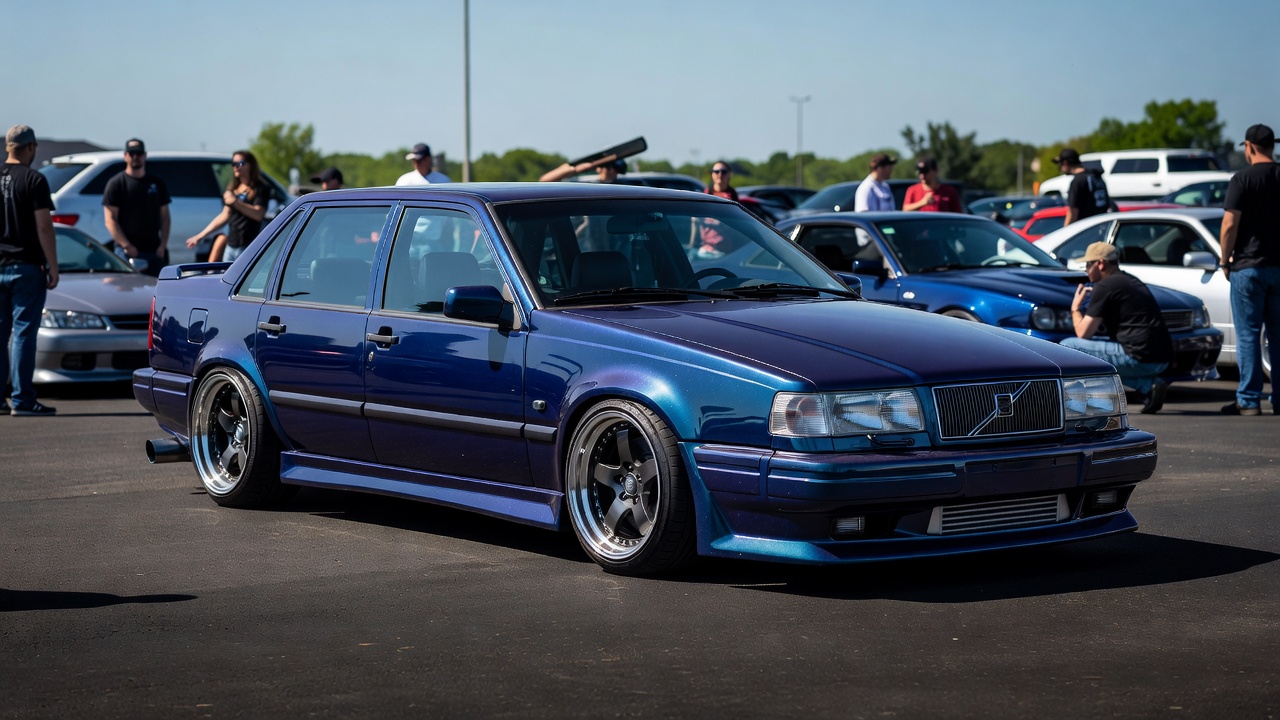
Tuning events bring together visual projects, technical builds and people interested in modification choices. Event formats vary. Check the organizer’s published requirements before registering, transporting a vehicle or planning a visit.
What a tuning gathering can include
Some events focus on static vehicle display. Others combine a display area with demonstrations, workshops or performance-focused programming. A show build may prioritize finish, theme and documentation. A functional road build may place more emphasis on usable setup, maintenance and the choices behind each change. The labels used by organizers are not universal, so read each category description carefully.
A display is not proof that a vehicle is suitable for public-road use. Show vehicles may be trailered, used only in controlled settings or configured for a narrow purpose. Keep that distinction clear when discussing modifications. Public-road operation remains subject to applicable requirements and safe vehicle condition.
Compare categories before choosing one
Common category approaches include vehicle type, modification area, build theme, level of originality, fabrication, interior work or overall presentation. Performance-focused formats may group cars by discipline or mechanical concept. Visual categories may consider paint, bodywork, wheel fitment or cabin finish. These are examples of category types, not a claim that every event uses them.
- Build-focused: choose this when the process and combination of modifications matter.
- Visual display: useful when exterior and interior presentation are central.
- Performance-oriented: check whether activities are display-only or controlled and separately managed.
- Open category: suitable for mixed projects; verify any vehicle eligibility rules.
Ask how judging works, if judging is part of the event. Criteria may separate cleanliness, design, fabrication, condition or category fit. Do not assume that popularity, expense or power determines an outcome. If judging details are not published, treat the event as a display rather than an assured competition.
Prepare the vehicle and its story
Start with the event instructions. Confirm entry time, display location, vehicle access, required documents and any restrictions on fluids, engine starts or movement. Make sure the vehicle arrives in a safe condition for the journey or transport method. A clean presentation helps people see details, but finish should not conceal leaks, loose parts or unresolved mechanical problems.
Prepare a short, accurate build summary. Note the project goal, major modification areas, work completed and any specialist support. Be clear about what is changed and what remains standard. Avoid unsupported performance claims or implying that a modification has approval it does not have. A concise build sheet helps visitors understand decisions without turning every conversation into a sales pitch.
Presentation is more than polish
Park within the assigned area and keep walkways clear. Arrange removable information cards so they do not obstruct neighboring vehicles. Secure tools, covers and loose items before visitors enter the display space. If the event allows engine demonstrations, follow its exact rules and keep people at a safe distance. Never rev or move a vehicle to attract attention in a crowded pedestrian area.
Respect other builds. Do not touch paint, wheels, engine bays or interiors without permission. Ask before photographing close details, and do not lift covers or open doors on another person’s vehicle. A well-organized display makes comparisons easier and reduces risk to vehicles and visitors.
Technical choices deserve context
Suspension, wheel, tire, brake, lighting, exhaust and engine-related changes affect different parts of a vehicle. A modification that suits one use may be unsuitable for another. Consider compatibility, maintenance access, noise, emissions, visibility, braking behavior and road legality. Speak with qualified professionals where the work or compliance question exceeds your knowledge.
At an event, treat technical conversation as information exchange rather than instruction to copy a setup. Similar-looking vehicles can have different components, loads and intended use. Ask what problem a change was meant to solve, what trade-offs followed and what upkeep it requires. Do not assume a displayed configuration is safe or legal for your own vehicle.
For spectators
Follow signs, barriers and staff directions. Keep clear of any controlled activity and never enter a marked operating area. Ask permission before close photography or filming. Avoid blocking a vehicle owner while they prepare or speak with judges. If a display is busy, return later rather than pushing into a narrow space.
Good for
Tuning events suit enthusiasts comparing build approaches, looking at modification details, learning how projects are presented or meeting people who share a specific vehicle interest.
What to know
- Event categories and judging standards vary.
- Display-only does not mean road-use approval.
- Check vehicle eligibility and entry procedures directly with the event organizer.
- Safety, compliance and maintenance remain part of every build decision.
Make the event useful
Choose a format aligned with the kind of work you want to learn about. Bring a few focused questions, take notes and compare trade-offs instead of copying parts lists. The best takeaway is a clearer understanding of why a build works for its owner and what it demands over time.